
Our BrandZaps Intelligence Models. Specialised for modern marketing.
Analysis, research, content and fast data processing each place different demands on a model. BrandZaps combines five specialised Intelligence Models in one shared AI system.
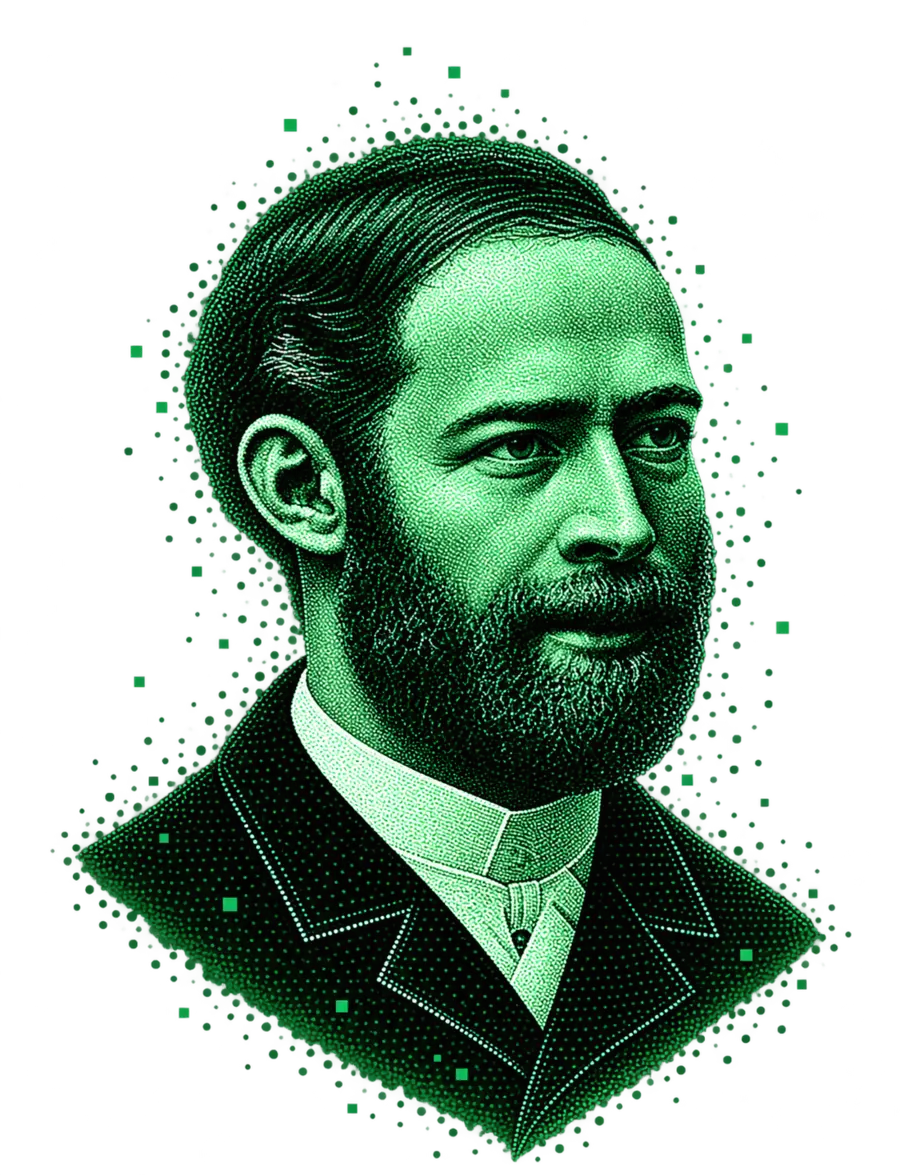
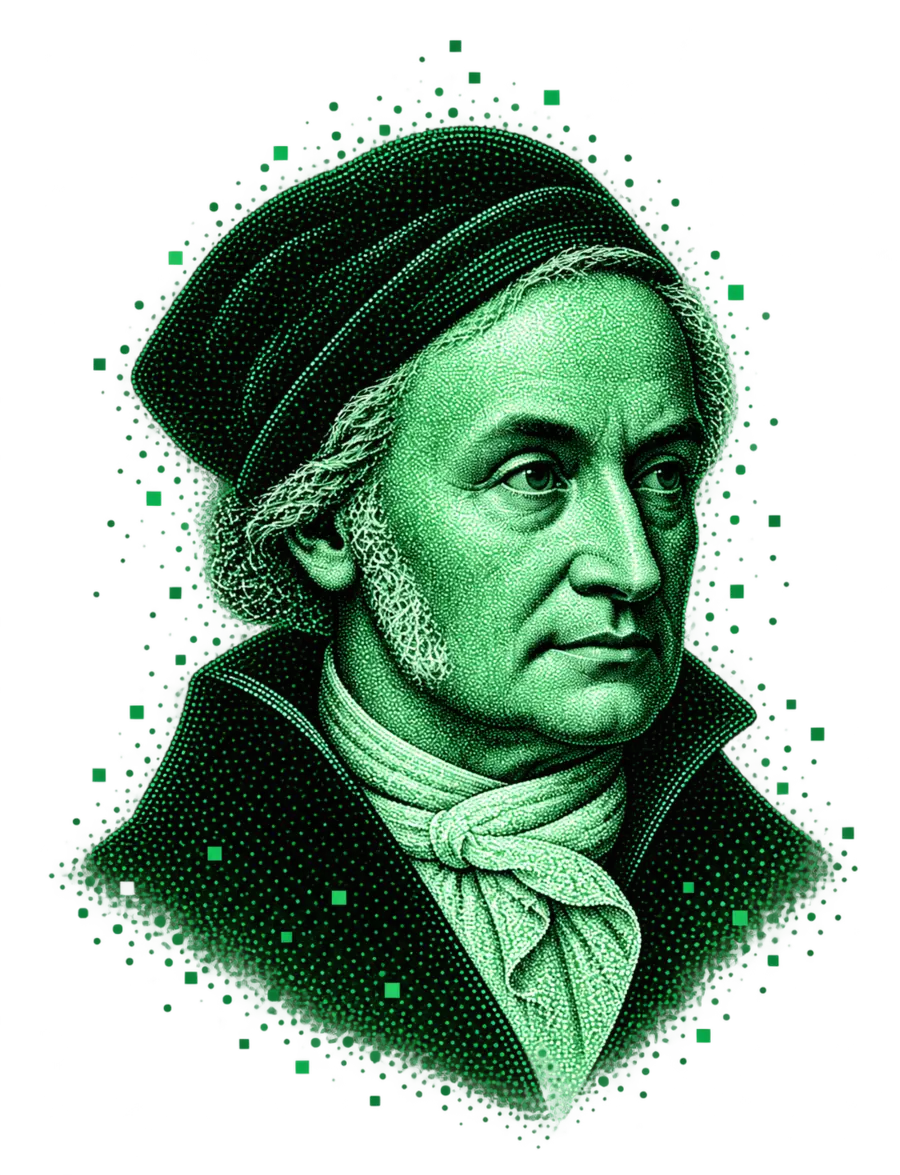
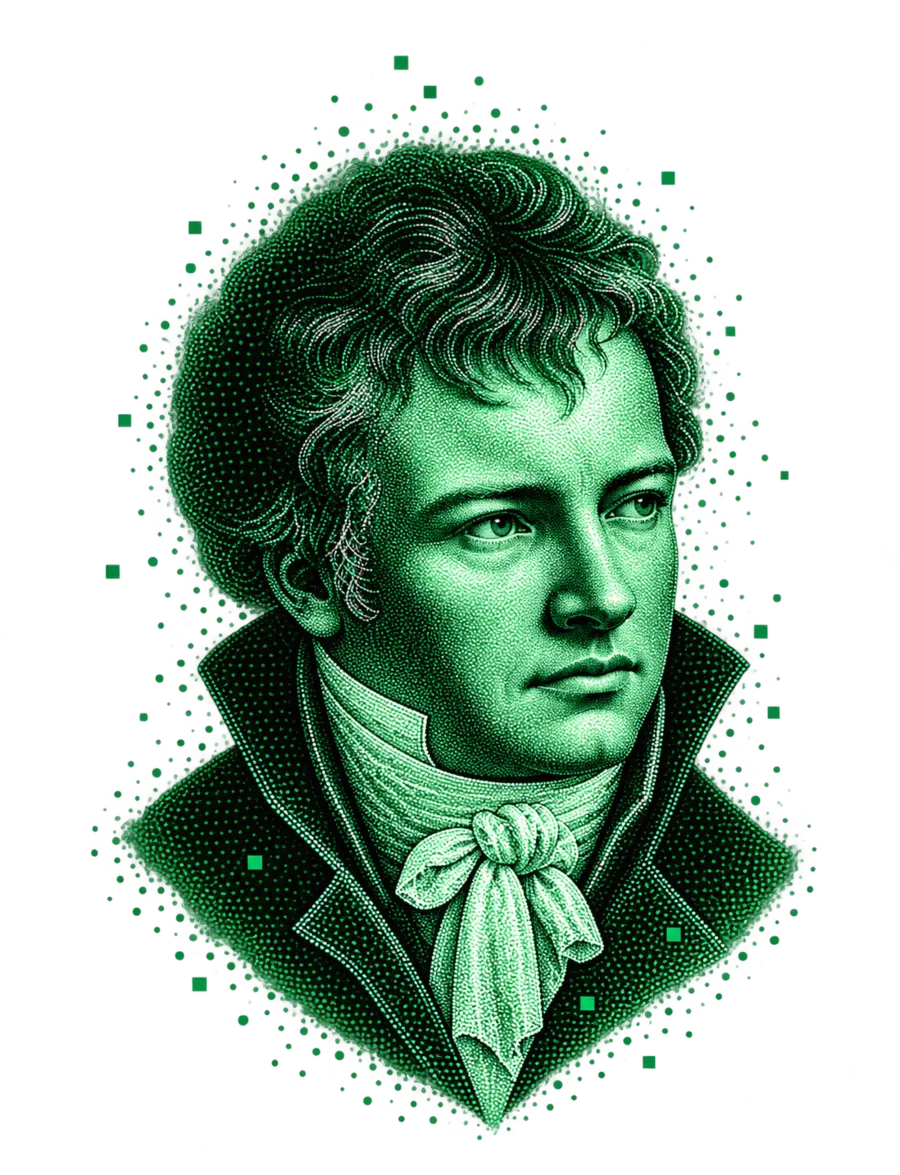
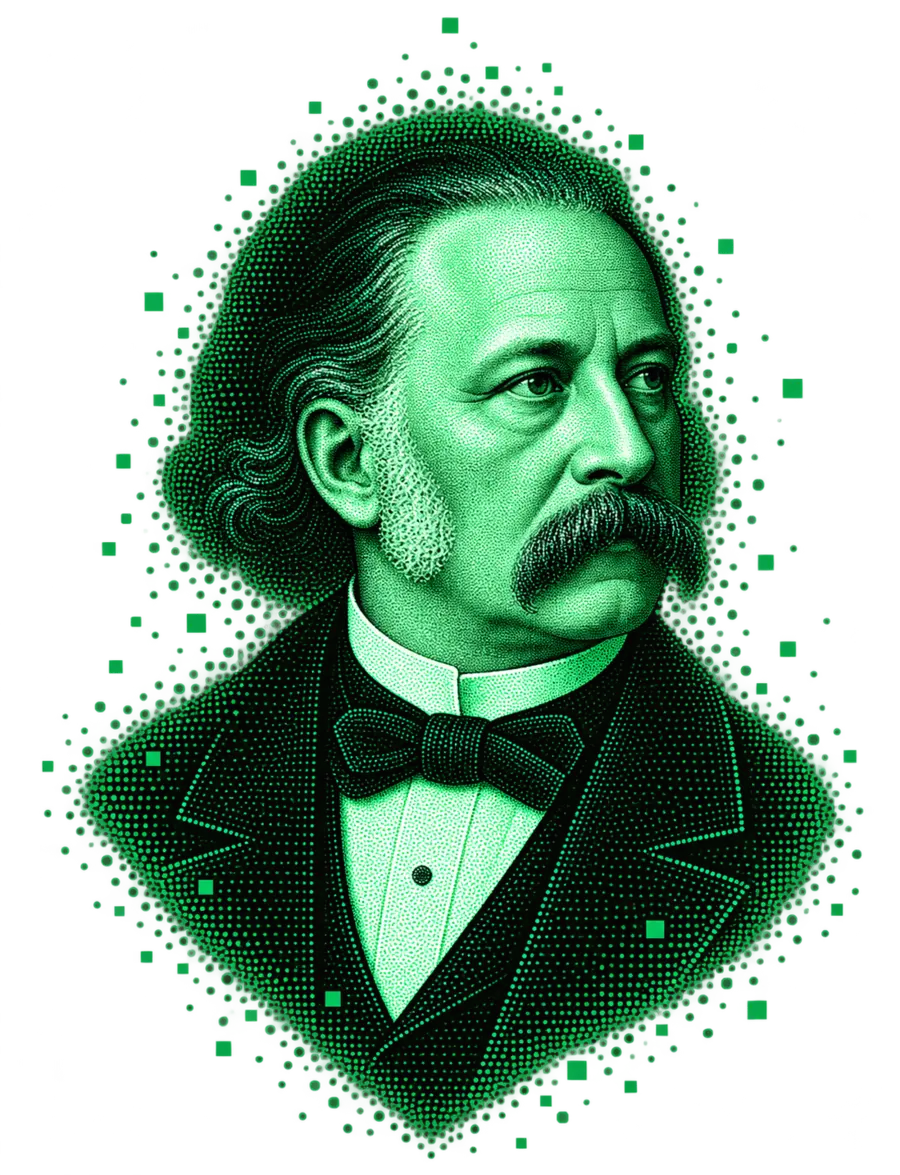
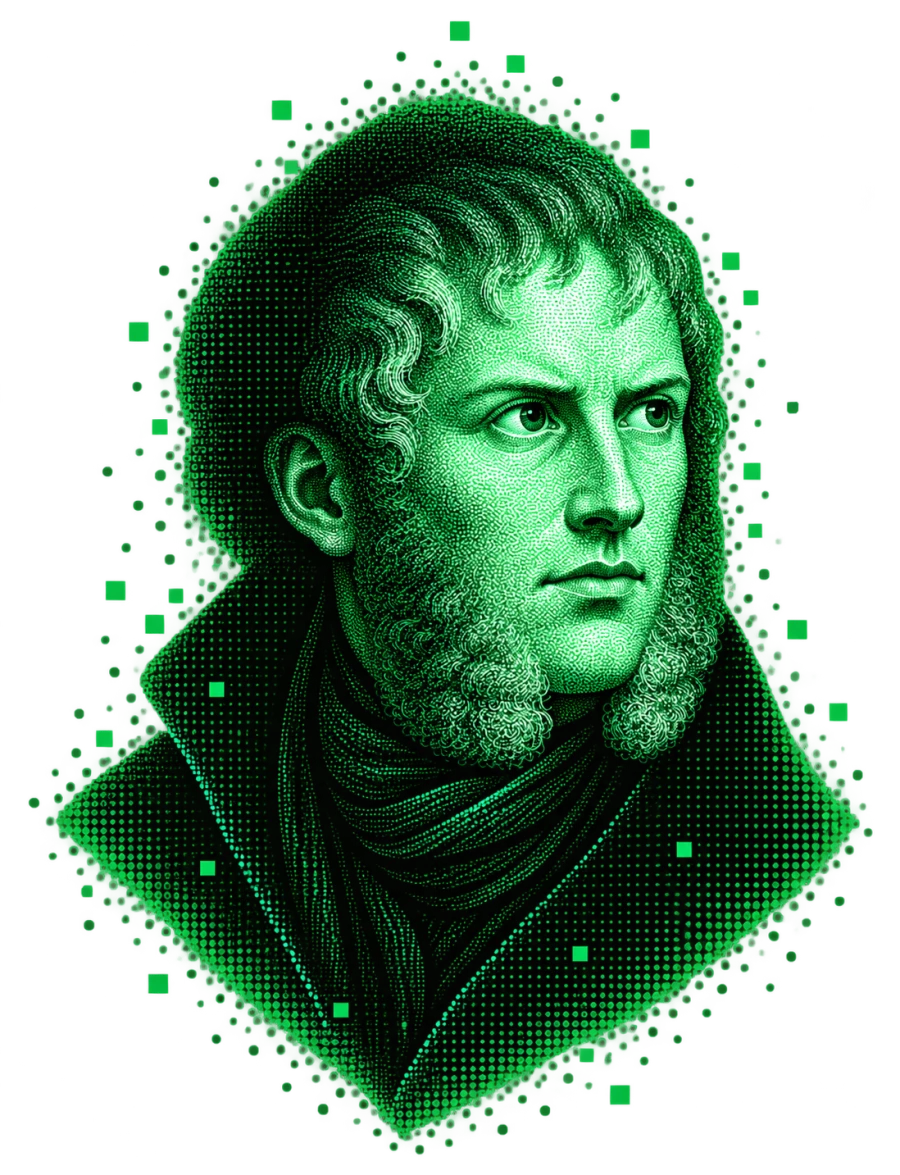
Built for different tasks. Not for an average.
Why five models
An in-depth market analysis needs different capabilities from classifying thousands of keywords. A strategic recommendation follows a different logic from building a landing page. That is why BrandZaps does not treat these tasks the same way.
Our Intelligence Models take on different roles within the system. They draw on the same company context, use specialised workflows and can connect their work.
Individual models become one shared AI system for marketing, SEO and AI search.
Fast Intelligence
Hertz makes it fast.
Hertz is built for tasks where speed, efficiency and scalability matter most.
The model processes large volumes of data, structures information and handles recurring tasks within BrandZaps. It works where fast, reliable processing matters more than deep reasoning.
Hertz makes sure that extensive processes run quickly, without using needlessly complex intelligence for every task.
General Intelligence
Gauss solves it.
Gauss is the central Intelligence Model of BrandZaps and is built for most of the more complex tasks on the platform.
It analyses relationships, interprets data and connects information from your project with our marketing, SEO and GEO logic.
From individual questions to extensive strategic analyses, Gauss is the generalist of the BrandZaps model family. It draws on what BrandZaps already knows about your company, your website, your target audiences, your competitors and previous analyses.
Deep Research
Humboldt explores it.
Some questions cannot be answered from existing data.
Humboldt is the research intelligence of BrandZaps. The model investigates topics systematically, connects different sources of information and adds new insights to existing project knowledge.
Research becomes an integral part of your marketing work.
Humboldt can connect external information with your existing BrandZaps Brain. Research is never detached from your company, but always set in the context of your actual situation.
Content Intelligence
Fontane writes it.
Good content does not start with an empty text box.
Fontane uses the knowledge in BrandZaps to develop content that fits your company, your positioning, your target audiences and your existing website.
The model combines editorial quality with SEO, GEO and marketing requirements.
Visual Intelligence
Friedrich visualises it.
Friedrich is the image model of BrandZaps.
The model does more than generate images: it creates visual content based on brand, context and communication goal. It comes into play whenever ideas, briefs or existing project knowledge are to be turned into visual content.
Friedrich uses the context from the BrandZaps Brain so that images are not created in isolation, but adapted to brand, company, target audience, existing design and communication goal. This makes image generation an integral part of content and marketing work within BrandZaps.
The intelligence behind the intelligence. The BrandZaps Layer.
The BrandZaps Layer
Hertz, Gauss, Humboldt, Fontane and Friedrich are the models you work with in BrandZaps. What happens in the background goes much further.
The BrandZaps Layer connects models, company knowledge, marketing methodology, tools and workflows into one shared system. Among other things, it controls:
Which intelligence is best suited to a task.
Which information from your company is relevant to the current task.
How SEO, GEO, content and marketing methodology feed into the work.
Which data sources and functions a model needs for its task.
Which steps are needed and how several models work together.
The result is not a single model response.
It is an orchestrated workflow.
Intelligence becomes useful when it knows your business. The BrandZaps Brain.
The BrandZaps Brain
Every company is different. That is why BrandZaps builds a dedicated knowledge context for your project.
The BrandZaps Brain connects information about:
The system knows the context.
This context is available to the BrandZaps Intelligence Models wherever a task needs it. You do not have to explain the basics again with every new analysis.
And with every analysis, every piece of research and every new data point, this understanding can keep growing.
One task. Multiple models.
Working together
Complex tasks need more than one step. BrandZaps can connect different Intelligence Models within a single workflow.
-
Develop a new strategic landing page
5 steps - Gauss analyses existing content, keywords, search intent and project context.
- Humboldt researches the market, competitors and additional external information.
- Gauss distils the findings into a strategy and page structure.
- Fontane creates the content on that basis.
- Hertz handles structured follow-up tasks such as metadata, classification or data preparation.
You start a task. BrandZaps orchestrates the steps it needs.
Powered by leading foundation models. Specialised through the BrandZaps Layer.
Foundation Models
BrandZaps does not develop its own foundation models. We work with leading AI models and combine their capabilities within our own application layer with marketing methodology, company context, data, tools and workflows.
Which foundation model is used for a task can vary depending on quality, speed, cost and the depth required.
What matters is not the name of the model underneath. What matters is what BrandZaps makes of it.
Five models
Five models. One system.
Five specialised Intelligence Models, one shared BrandZaps Brain and a layer that connects context, data, tools, marketing logic and AI.